The faculty and staff on SNU’s campus are all valuable resources who help students succeed throughout the year. However, there may not be a more familiar face in academics than the advisors.
For most students, academic advisors are among the first people they talk to. Advisors help with registration, dropping courses when needed, and providing general support throughout the school year.
Highlighting the importance of the advisers is crucial to student success. Advisors give students an outlet to turn to when they are struggling or simply unsure of what classes to take next.
Professor Jim Smith is one of these advisors. After earning his master’s degree from SNU in 1984, Smith began working as an instructor and advisor in 1987. Nearly 40 years later, Smith remains an important part of students’ lives in the communications department.
While discussing how he helps students navigate their courses, Smith talked about the appreciation he has for students’ willingness to ask for help.
“In terms of my role as an advisor, I find it rewarding when a student comes to me with issues that go beyond course scheduling, so I always welcome that,” Smith said. “I try to keep an open door policy so students don’t have to adhere to my specific office hours. If my door is open they’re welcome to come in.”
Smith also talked about the importance of meeting with your advisor early to sort out any issues.
“I think one of the major pitfalls is students waiting too long to register for an advising appointment,” Smith noted. “By the time they come there’s even fewer options, and one of the things I hate is when I have to tell a student this is their only option, so making those appointments can get them the best choices available.”
Dr. Melany Kyzer is another advisor and instructor who has shaped the lives of countless students. She became resident director of the freshman girls’ dormitory, Hatley, in 1985 and earned her master’s degree from SNU in 1988. She talked about how her teaching experience helps with her advising role.
“In the classroom I get to interact with students,” Kyzer said. “I hear a lot from them about courses they like or think were helpful versus those they don’t feel as strongly about. I also hear about professors and their styles of teaching. This helps when there are multiple sections of a class so a student has options. Knowing how the class is set up: discussion, lecture, small group. I then try to match the student with the style that works best for them to learn.”
Kyzer also talked about how the advisor-student relationship can reduce student isolation.
“Being able to meet with your own students is an invaluable experience to me,” Kyzer said. “I believe these out-of-classroom times are really where you get a chance to know your students. The way our Gen Ed is set up allows students to explore their interests which gives us more insight about them.”
The advising role on campus is an important one, and something that is easy to take for granted. Advisors in every major deserve appreciation and recognition because of what they do for students and the importance of their presence on campus. So if you think about it, send your advisor an email or stop by in person and let them know how much you appreciate them. Without their help and guidance, higher education would be much more difficult to navigate through.
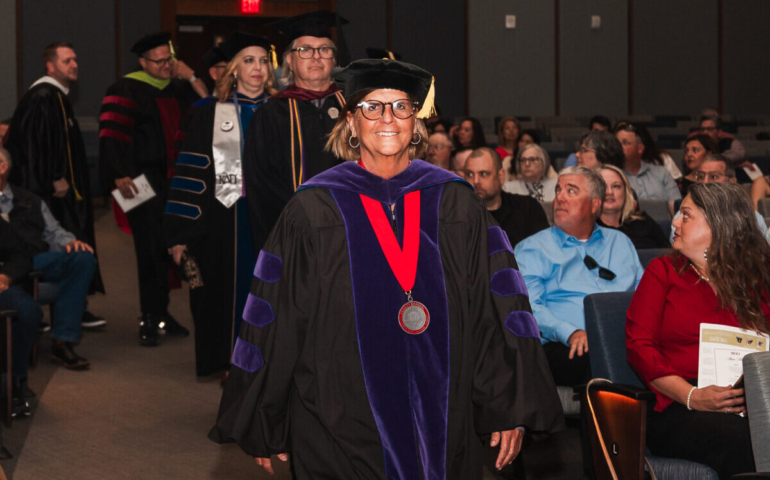
Photo provided by: SNU Creative